Peptide Purity Overview 98%, 99% & Research-grade Clarified Prg
Peptide Purity Overview 98%, 99% & Research-grade Described Prg
Straight from the synthesizer with very little processing-- usually simply bosom from the resin and precipitation. Pureness ranges commonly, from 40% to 80%+ depending on series length and problem. Crude peptides are suitable for applications where purity isn't vital, such as antibody production or initial testing assays where the target peptide just needs to be present, not dominant. Very closely connected to truncations, deletion peptides are unabridged chains that are missing out on one amino acid someplace between. If topping isn't perfectly efficient, an uncoupled chain can continue to extend in succeeding steps, producing a peptide that's just one deposit short of the target.Picking the appropriate outside research laboratory for peptide screening involves assessing numerous aspects. A relied on laboratory should have demonstrable experience in peptide chemistry evaluation-- as an example, PhD-level chemists or biochemists on personnel that comprehend peptides' synthesis and deterioration pathways. Accreditation by appropriate bodies (such as ISO/IEC or qualification for GLP/GMP compliance) is a strong sign of top quality.
Intricate Peptide Structures, Tough To Verify And Quantify
In theory, peptide pureness is quantified by the chromatogram created by reversed stage HPLC, and furthermore, we can obtain the number and family member amount of possible byproducts by calculating the peak location. A top quality chromatogram has a single, symmetrical major peak with a level baseline on either side. " Tailing"-- where the optimal trails off gradually on one side-- can indicate column problems, example overloading, or additional interactions in between the peptide and the fixed stage. In this setup, the fixed stage is hydrophobic (water-repelling), commonly C18-bonded silica. The mobile phase is a slope of water and a natural solvent like acetonitrile, typically with a small amount of trifluoroacetic acid (TFA) to develop the optimals.
This front-end testimonial lowers rework and boosts the opportunity that the first logical pass will certainly currently be decision-useful. A contemporary HPLC system consists of numerous integrated elements, each offering a details function in the separation and discovery procedure. Join over 5,000 energetic members and get updates on new arrivals and latest laboratory records. In The KnowGet accessibility to our directory, new kid on the blocks, and most current laboratory records.Related Services
In addition to HPLC and MS, specialized laboratories might employ orthogonal techniques for included precision. For instance, capillary electrophoresis can be utilized to divide really hydrophilic peptides or to double-check outcomes, and MALDI-TOF mass spectrometry can aid in mapping larger or modified peptides. Many peptide producers or vendors will certainly give a COA (Certification of Evaluation), for example our bpc 157 tb 500 mix, that includes the purity Biotechnology Research percent by HPLC and identity verification by MS for each batch. Top-tier labs frequently report peptide purity well over 95%, frequently ≥ 98-99%, by using state-of-the-art HPLC and MS evaluations. They additionally check both basic materials and ended up Homepage peptide vials, which helps catch any pollutants, destruction items, or formula disparities.
Measuring peptide purity is usually made with logical high-performance liquid chromatography (HPLC), usually combined with mass spectrometry (MS) for identification confirmation. These analytical strategies are standard in peptide quality assurance and you will often obtain HPLC and MS data with a research study peptide order. The primary analytical approaches for peptides consist of liquid chromatography (LC), typically HPLC, combined with mass spectrometry (MS) for accurate molecular weight determination and sequence validation.
Absence Of Effective Approaches For Structural Alterations And Sequence Confirmation
- But peptide pureness is arguably the solitary essential high quality metric for any kind of research study peptide.
- BOC Sciences likewise provides detailed in vitro (cell systems) and in vivo (animal systems) screening services to aid customers completely recognize peptide formulation performance in various atmospheres.
- Since pollutants usually vary from the target peptide by at least one amino acid, they have a little various hydrophobicities and appear as separate optimals on the chromatogram.
- Top-tier labs usually report peptide purity well above 95%, frequently ≥ 98-99%, by using cutting edge HPLC and MS analyses.

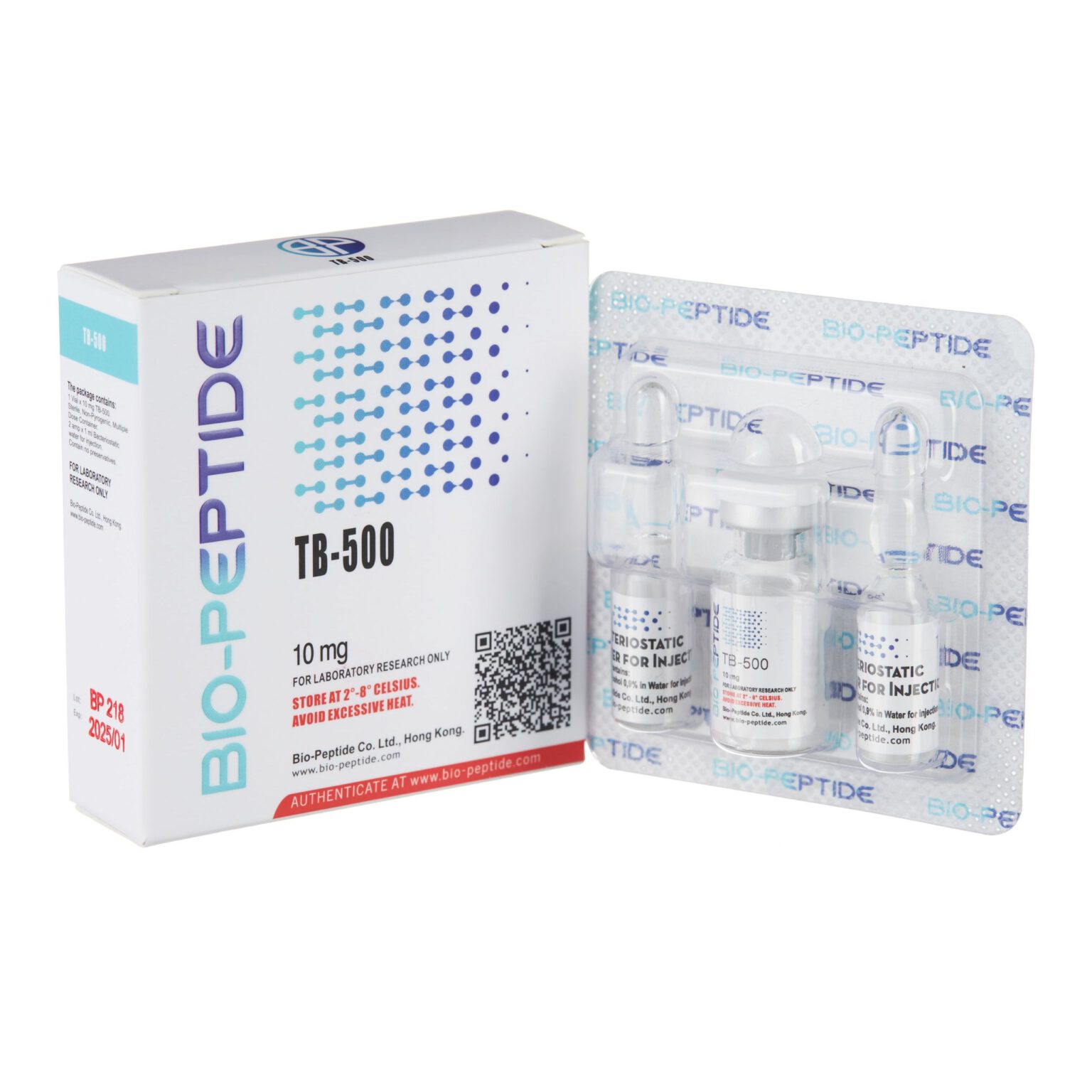
A lot of peptide vendors and research laboratories rely on numerous well-established logical approaches. All products are sold for research, lab, or logical functions only, and are except human use. Item summaries and categorizations do not imply any healing outcomes. At Chameleon Peptides, every item ships with extensive third-party testing documents. You can find out more regarding our analytical screening procedures on our testing and quality page. A 2016 survey published in Nature discovered that more than 70% of scientists had tried and stopped working to replicate one more researcher's experiments.
These are beneficial in the appropriate setup, but they ought to be interpreted as method-specific evidence rather than an universal substitute for HPLC and MS. Yet peptide purity is arguably the single most important top quality statistics for any research study peptide. It straight impacts the reliability and reproducibility of experimental results. A peptide provided at 75% pureness and one at 99% pureness aren't just various grades-- they can produce meaningfully different results in the very same assay. Each peptide has actually a different expected molecular weight, so mass confirmation is not a generic badge; it is compound-specific proof. For a much deeper identity-focused explanation, see Mass Spectrometry Peptide Verification. Identification screening validates that what was synthesised is really the intended sequence.